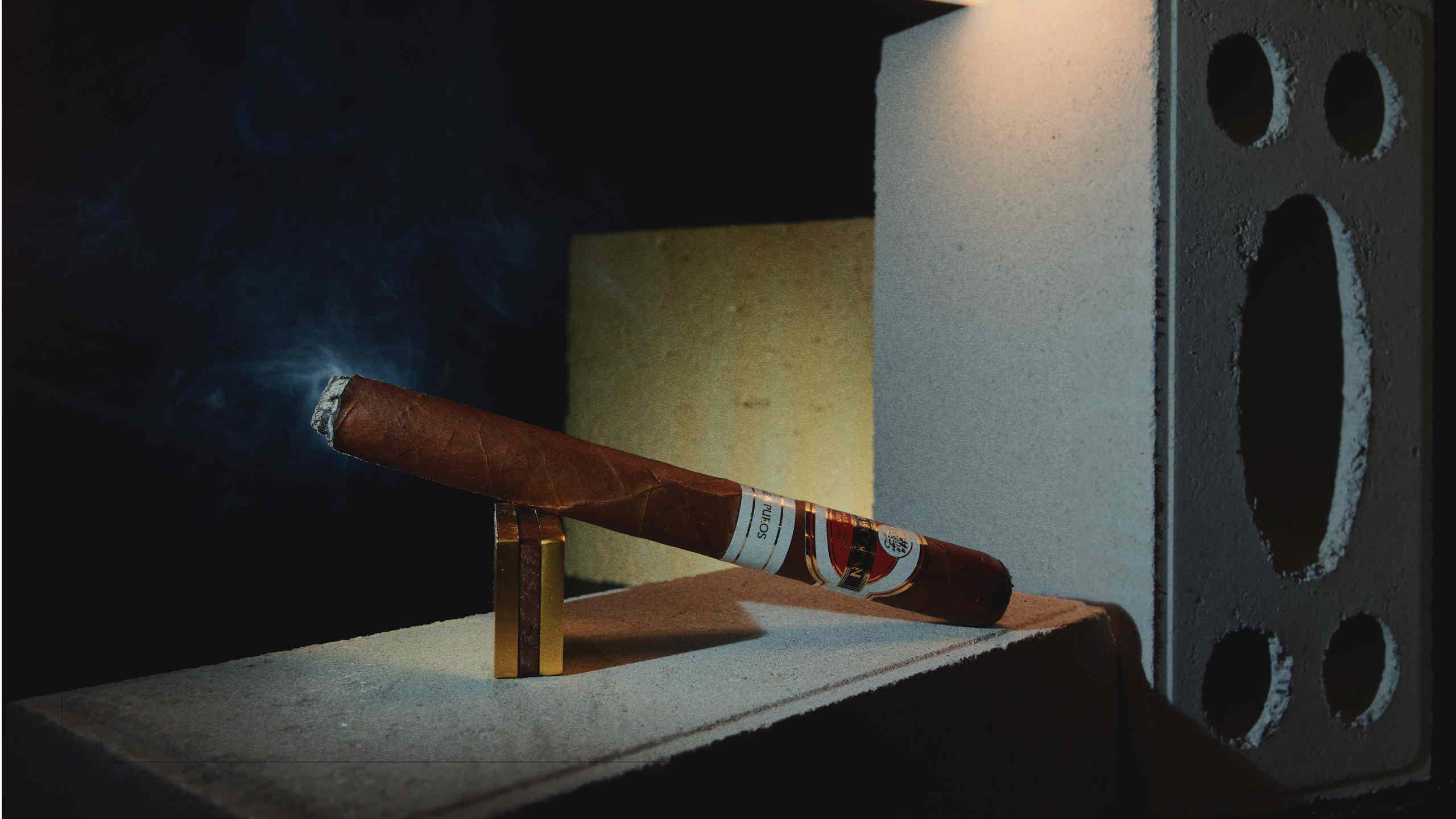
The Flor de Copán Churchill really captivated me during the tasting with its surprising consistency! A subtle intensity right from the start, which developed into a distinct experience as the smoke progressed. A cigar that took me on a pleasant journey from the very first puff.
In this review
At a glance
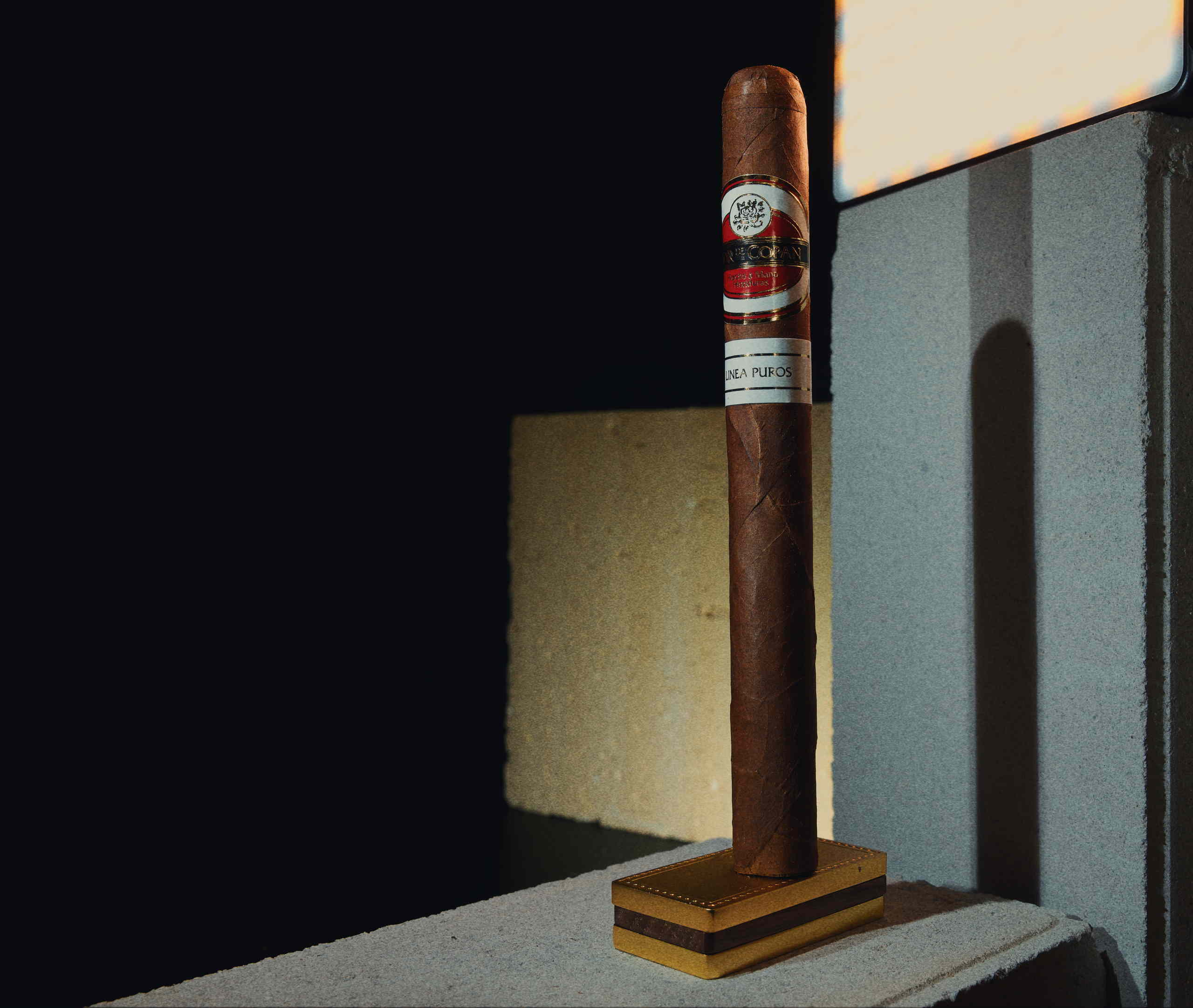
- Brand: Flor de Copán, Linea Puros
- Vitola (format): Churchill
- Ring size, length: Ring size 48 / Length 177 mm
- Origin: Honduras (tobacco sourced entirely from Honduras)
- Strength: 1st half: 2/5 | 2nd half: 2.5/5
Smoke behaviour – How does the smoke behave?
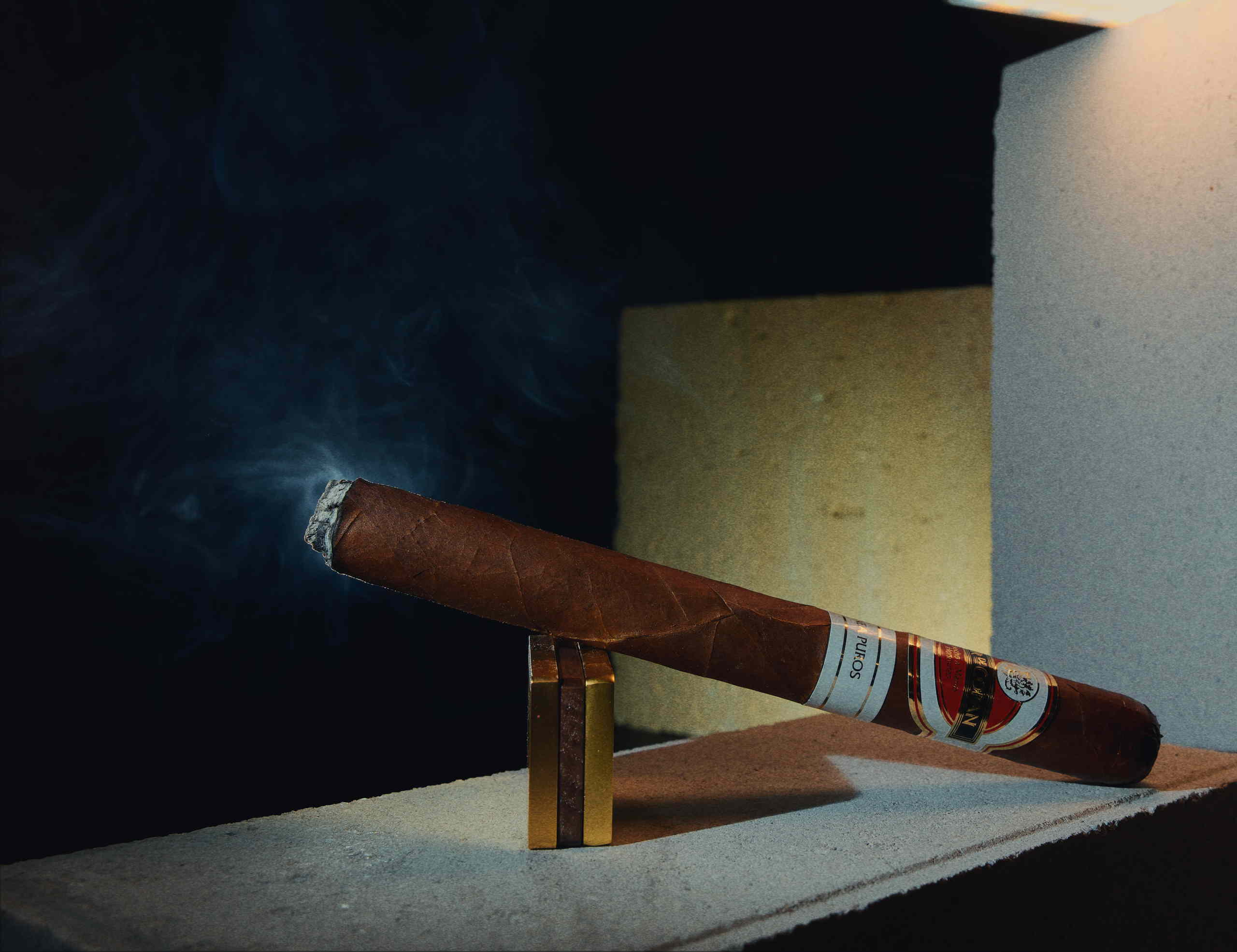
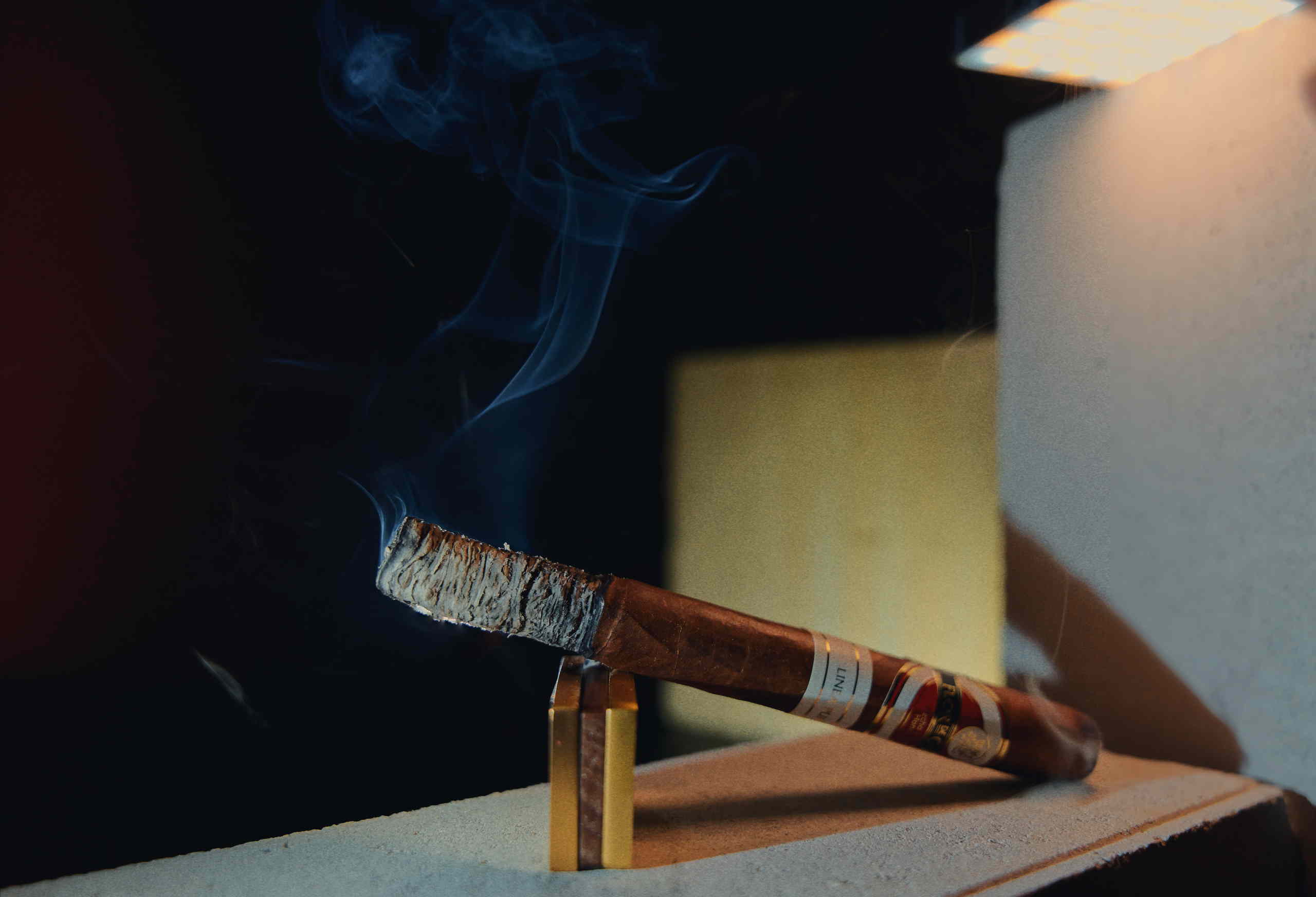
At first, the smoke has a perfectly normal density and dissipates quickly and elegantly into the air. The texture feels pleasantly light. But as we move into the second half, the situation changes noticeably: suddenly, the volume increases massively! The smoke becomes considerably denser, coats the palate with a noticeably richer texture and fills the room with a much more pronounced presence than at the start.
Why does the cigar behave like this?
The density and richness of a cigar’s smoke can depend on various factors – including the density of the tobacco blend, the moisture content of the product, the individual’s drawing rhythm, and the build-up of condensation in the last third of the cigar.
Balance and Development – How the flavour profile evolves
On the palate, I detect a harmonious yet constant interplay: bitterness, umami and a subtle acidity take turns to dominate, accompanied by a light, understated saltiness. There is a consistent balance in these core elements that never becomes monotonous. In the second half, the overall flavour profile becomes noticeably more concentrated and intense, whilst the varied interplay between umami, bitterness and acidity continues unabated.
Why does the cigar behave like this?
The flavour development and balance of a cigar are influenced by the interplay between the selected tobacco leaves, their placement within the filler, and the physical combustion process. As the cigar shortens, the remaining layers of tobacco filter the smoke and enrich the flavour compounds.
What is umami?
In ‘Tasting Notes’, the term Umami used to describe a subtle, savoury and mouth-watering depth in the smoke. Unlike distinct flavours such as spiciness or sweetness, umami creates a balanced, rich and long-lasting flavour sensation on the tongue and in the finish.
Invitation from Zigarren.Zone
Have you heard of the new ‘sensreset.’ section yet? Have a listen!
Strength – How does strength develop?
In the first half, the nicotine strength starts at a pleasant, mild level of 2/5 on the scale. In the second half, the perceived strength increases marginally, reaching a balanced level of 2.5/5.
Why does the cigar behave like this?
The perceived strength of the nicotine depends on the nicotine content of the tobacco varieties used, as well as on the rate at which the cigarette is smoked. As the cigarette burns down, the remaining tobacco builds up, which can slightly increase the perceived strength as the cigarette is smoked.
Construction and burn – How clean is the cigar?
The draw resistance is a little too light for my personal taste, though this does allow for a very effortless smoke flow. The burn is absolutely even and perfectly straight from start to finish – no adjustments or relighting were necessary. The ash is particularly impressive: it is extremely compact and lasts an exceptionally long time.
Why does the cigar behave like this?
An even burn and stable ash depend on careful rolling, evenly distributed filler wraps and optimum tobacco moisture content. A light draw suggests a slightly airier structure within the tube.
Conclusion
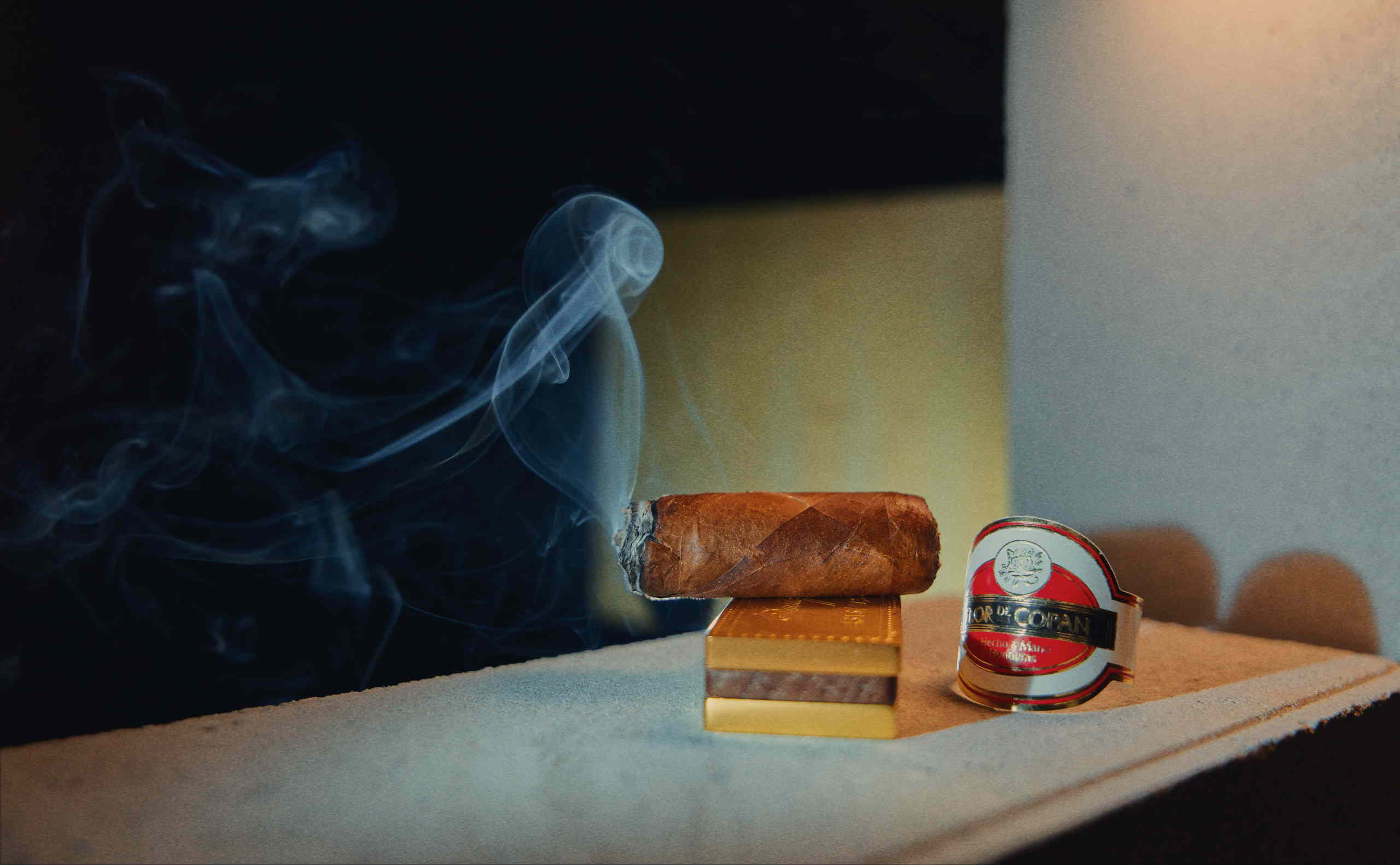
The Flor de Copán Linea Puros Churchill It provided me with a very lively smoking experience. Whilst the draw was a little light for my taste, it shone with an absolutely even burn and surprisingly compact ash. The interplay of flavours – umami, bitterness and a subtle acidity – remained consistently intriguing and intensified in the second half, accompanied by a significantly fuller smoke. A multi-layered cigar with great character!
Frequently Asked Questions
How strong is the Flor de Copan Churchill in this tasting?
The intensity starts at a mild 2/5 in the first half and rises slightly to 2.5/5 in the second half.
What is the smoke like with the Flor de Copan Churchill?
In the first half, the smoke is of normal density and dissipates quickly. In the second half, it becomes significantly denser and more voluminous.
Further reading
Sources and background information
This article is based on my tasting of the cigar described, drawing on my own experience as a cigar connoisseur since 1996, as well as on specialist literature on tobacco, fermentation, ageing and the physical processes that occur during smoking. In addition, recent scientific publications on tobacco fermentation and on heat and mass transfer in tobacco have been taken into account.
- Hu, W. et al. (2022): Study on the chemical compositions and microbial communities of cigar tobacco leaves fermented with an exogenous additive. Scientific Reports. → Fermentation, chemical changes and microbial processes in cigar tobacco.
- (2023) Study on the correlation between the dominant microflora and the main flavour compounds in the fermentation process of cigar tobacco leaves → Investigates the relationships between dominant microorganisms and key chemical indicators.
Photos
- Vasilij Ratej – without AI